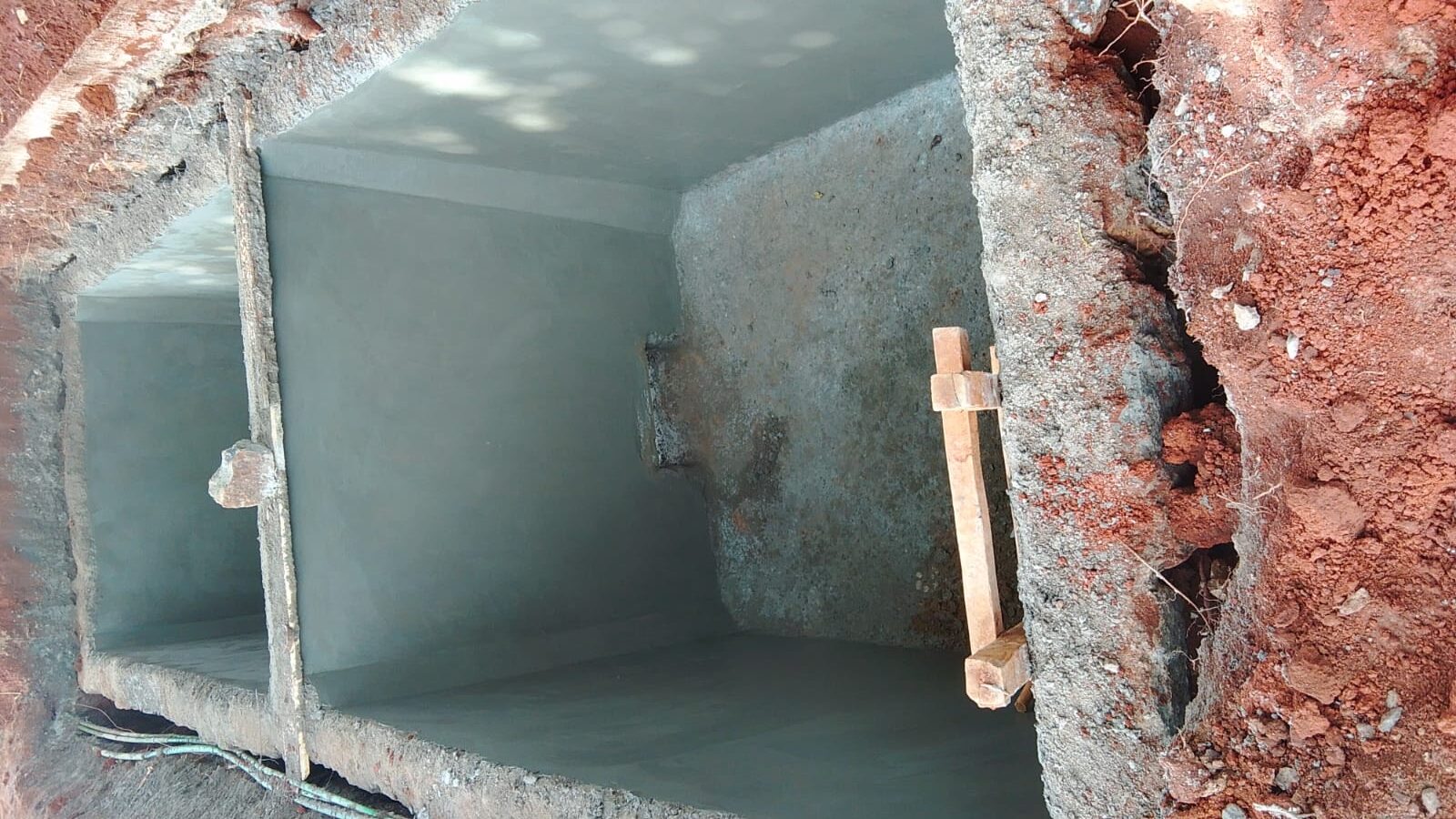
Plastic water tanks have been all the rage for a period of time due to their ease of installation, procurement and mobility. They come in different sizes therefore offering volume options that suit your needs and budget. However, there are some cases where masonry tanks take the lead as the best option for your needs.
1. When you need lots of water – If you need more than 20,000 L of water, the cost of construction of water tanks vs the procurement of plastic tanks becomes almost at par and therefore can be considered.
2. When you want to avoid ugly looking water tanks in your line of sight – Tanks can be an eyesore.
3. When you want to keep the space clear or have multiple use for a space eg. As parking space
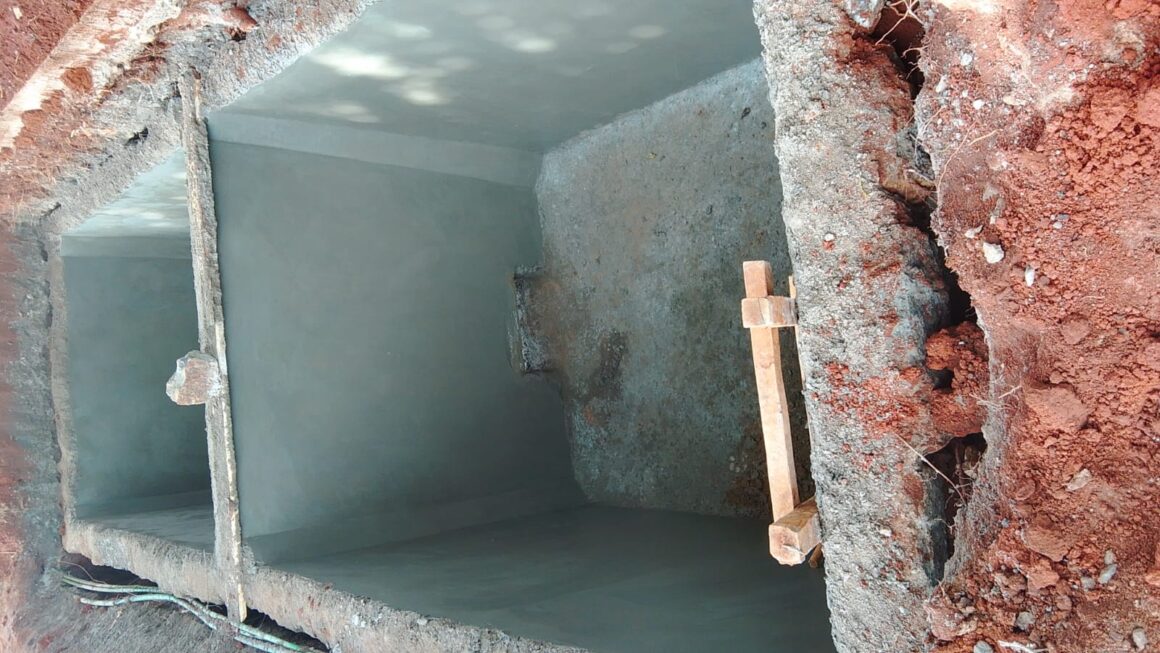
Factors to consider when building an underground water tank
1. Depth of tank – The pressure acting on the walls is directly related to the depth of the structure. The idea is usually to avoid going too deep to avoid water pressure that the walls cannot hold. A common depth is 1.2m to 1.5m. For walls deeper than than 2m, more reinforcement in the walls may be required.
2. Backfilling to the walls – To avoid water acting directly on the surface of the walls (Hydrostatic pressure), it is advisable to backfill hardcore around the tank walls to ensure water flows away from the wall and reduces the weight of wet soil bearing on the wall.
3. Type of masonry stone – The recommended stone is foundation stone that is 9” wide or more due to its weight and ability to not absorb water.
4. Size of slab and reinforcement, class of concrete – The slab cover that comes on top of the tank should be designed by a structural engineer depending on expected use and concrete class. For example, if cars are expected to park on top of it, the slab should be designed to allow that.
5. Nature of ground – There are different types of grounds with different bearing capacities. The slab at the base of the tank should be designed to accommodate this consideration.
6. Waterproofing – This is the most important part of building an underground masonry water tank. Use water proofing compounds on the mortar, the concrete mix, the plaster and the final screed finish on the inside of the tank.
7. Tank access – Ensure that you have access for construction, cleaning, pipe inlets and outlets.
Downsides of a masonry underground water tank
1. Leakages – If not well done, leakages will occur especially at the corners. It may take some time to notice these leakages which leads to loss of water.
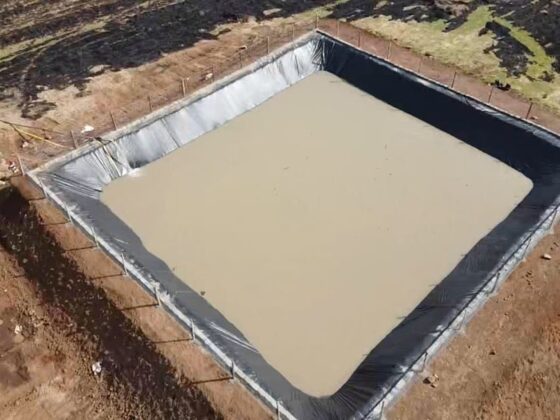
A common measurement for underground tank is: 1.8 m deep by 4.5m long and 2.4 m wide. this yields a minimum of 10,000L.
It requires people with experience to evaluate the prevailing site conditions to build and therefore always seek professionals to build these for you. Consult a structural engineer before you build.
Build Safely!